
Why Shade Matters on Warm Days
Summer heat can make outdoor walks challenging for anyone, but especially for older adults. Forest paths offer something special — natural temperature regulation that keeps you comfortable without air conditioning or artificial cooling.
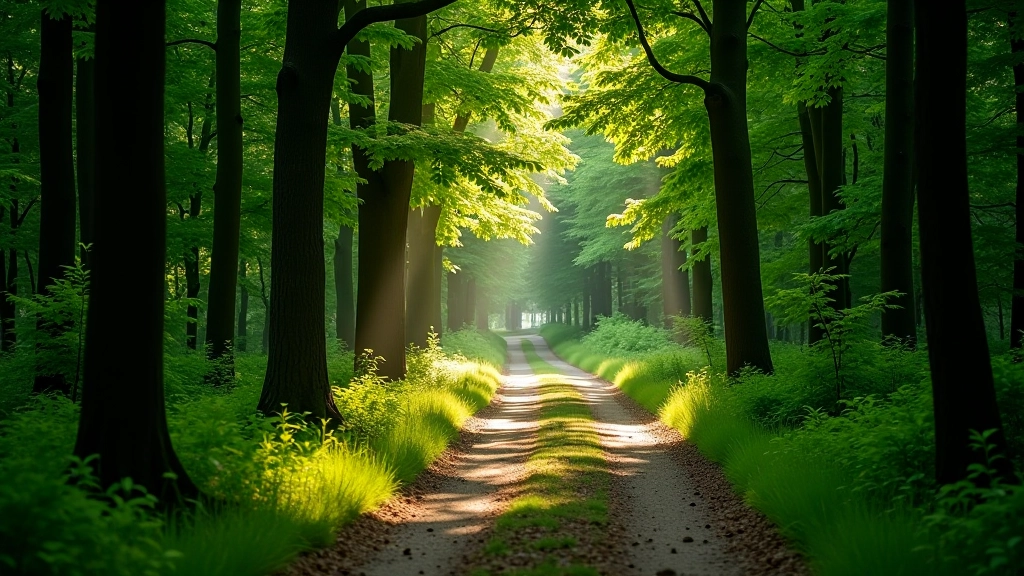
The canopy of mature trees creates a cooler microclimate, sometimes 8-12 degrees Celsius cooler than open meadows just a few meters away. You're not fighting the sun. You're walking through dappled light, breathing air that's fresher, and moving at whatever pace feels right.
Temperature Benefits
- Reduces direct UV exposure by up to 90%
- Lowers perceived temperature by 8-12°C
- Decreases dehydration risk significantly
- Reduces physical strain on joints and muscles
01
Finding the Right Forest Paths
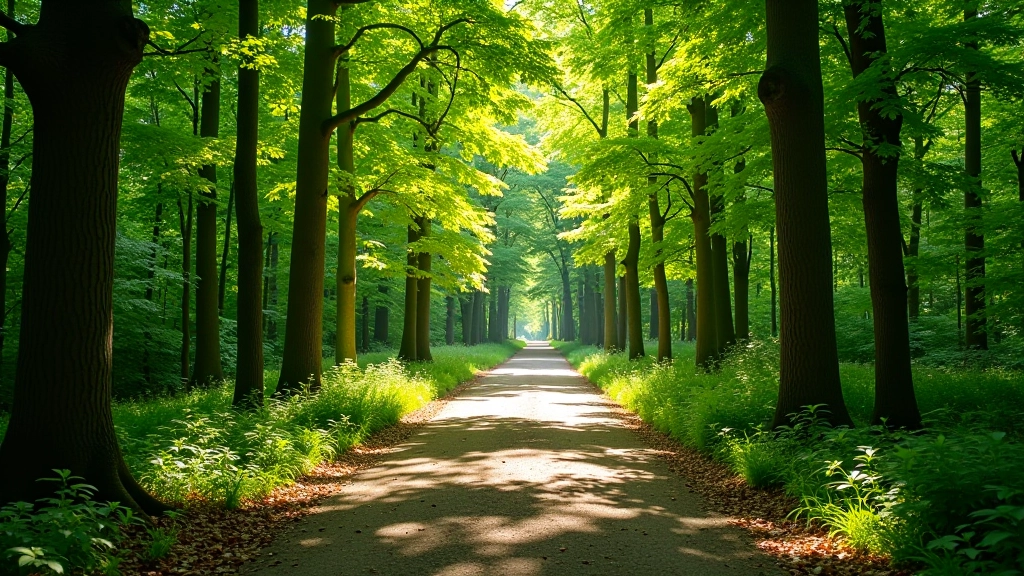
Not all forests are created equal. The best shaded walks feature mature deciduous trees — oak, beech, and maple — with dense canopy coverage. You're looking for paths where the sky feels distant, filtered through layers of leaves rather than visible overhead.
The Podyjí region around the national park has several established forest walks that tick all the boxes. Paths like those around Tvrdon and the quieter stretches near Podmolí offer consistent shade throughout the day. These aren't wilderness routes. They're maintained trails with clear marking and reasonable surfaces.
Start with the shorter loops — 3-4 kilometers is plenty for a comfortable morning or evening walk. You'll notice the temperature difference within minutes of entering the tree cover. And unlike open meadow paths, you won't need sunscreen every ten minutes.

02
Timing Your Walk for Maximum Comfort
Early morning and late afternoon are ideal, but that's not the only consideration. Even at midday, forest shade changes the equation significantly. The sun's intensity matters less when you're walking under tree cover.
Here's what we've found works best: start between 7-8 AM or after 4 PM. At these times, you're missing the peak heat hours while still having good daylight. The air feels fresher in early morning — there's less humidity trapped under the canopy, and the forest itself is quieter.
Summer mornings in the forest also mean you'll see more wildlife — birds, squirrels, occasional deer on the quieter paths. The experience becomes about more than just temperature control. It's actually pleasant.
03
What to Bring and Practical Preparation
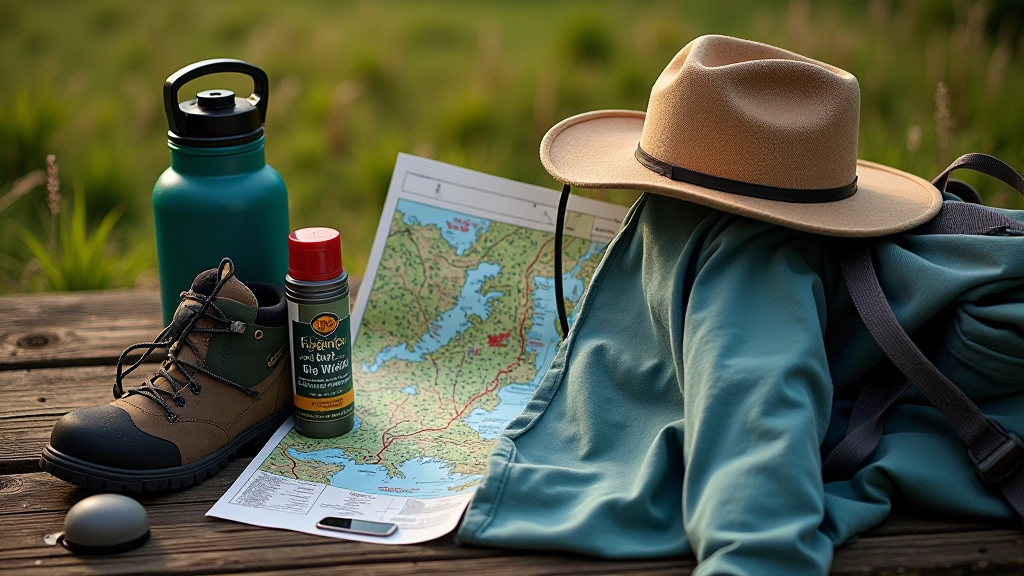
Even in shade, you're still walking. Preparation matters. Bring a water bottle — at least 500ml for a 4-kilometer walk. You'll sweat less under tree cover, but dehydration sneaks up quietly.
Wear layers. Forest temperature can feel cool, but you'll warm up as you walk. A light long-sleeve shirt protects against occasional sun exposure where the canopy thins. Avoid heavy cotton — synthetic blends dry faster if you do get warm.
Footwear matters on forest paths. You're dealing with roots, uneven ground, and potentially damp leaves. Proper hiking boots or trail shoes with ankle support reduce fatigue significantly over 4-5 kilometers. And yes, bring insect repellent. Shaded, humid forest environments attract mosquitoes.
04
Recognizing Quality Forest Routes
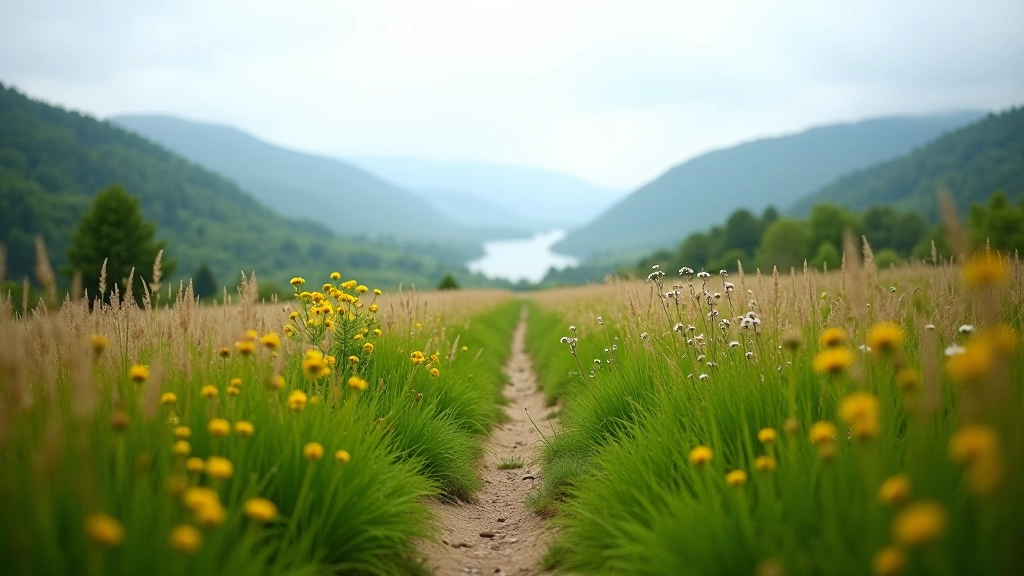
The best forest walks share certain characteristics. Path maintenance is obvious — cleared brush, marked trails, stable surfaces. But equally important is variety. A good route includes sections where the forest opens slightly, offering glimpses of meadow or water.
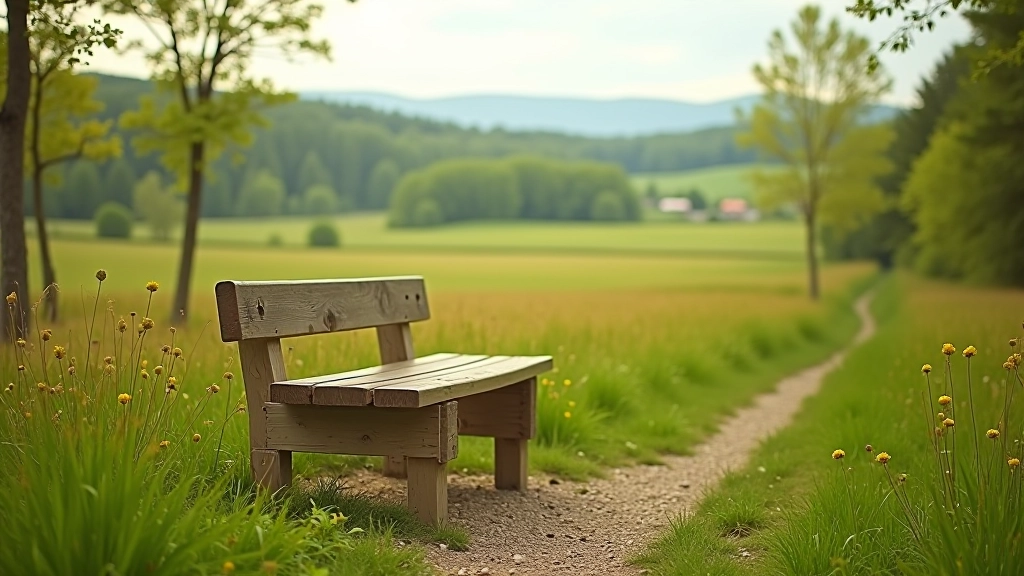
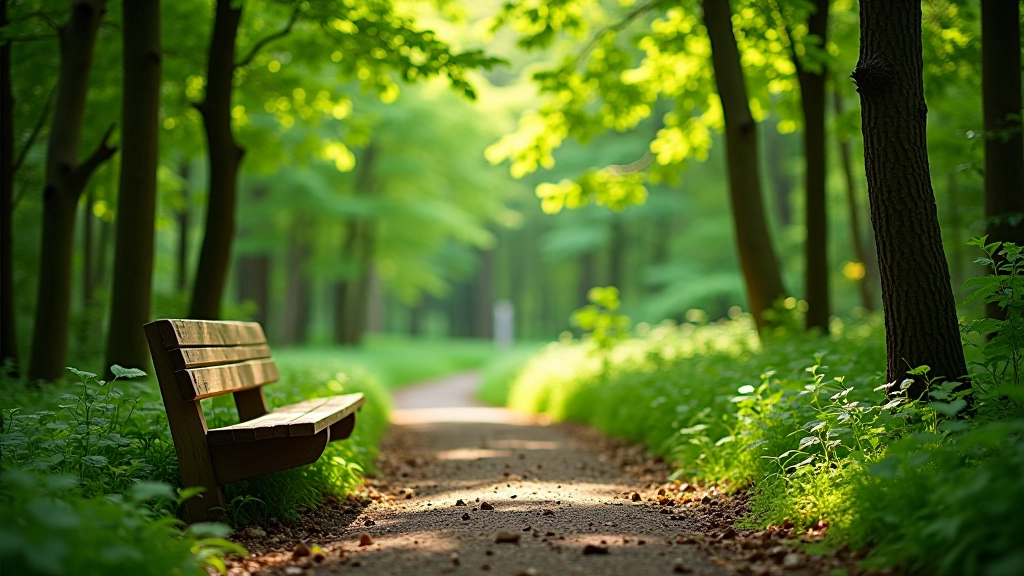
Look for routes that include rest spots. Benches or natural seating areas every 1-2 kilometers make a difference. You're not racing. The point is comfortable movement with regular pauses to absorb your surroundings.
The routes near Čunkovice and along the Dyje River offer this balance perfectly. They're shaded but not claustrophobic. Maintained but not manicured. And they're genuinely interesting — you're not walking the same generic forest path.
Making the Most of Shaded Forest Walking
Shaded forest walks aren't just a practical solution for hot weather. They're genuinely better experiences than trudging through open meadows in summer heat. The temperature control is real. The physical comfort is real. And the mental benefit — walking through quiet forest in dappled light — that's genuine too.
Start with one of the established routes. Don't worry about covering distance. Four kilometers through proper shade feels substantial, and you'll finish refreshed rather than exhausted. Bring water, wear appropriate gear, and go in early morning or late afternoon when the forest is at its most pleasant.
The Podyjí region offers excellent options. You've got the experience, the infrastructure, and the natural conditions. All that's left is stepping into the trees and discovering how much more enjoyable warm-season walking becomes when you're not fighting the sun.
Important Notice
This article provides educational information about forest walking in the Podyjí region. Weather conditions, trail conditions, and personal fitness levels vary. Always check current trail conditions before walking, bring adequate water and sun protection, and consider consulting with your healthcare provider if you have specific health concerns. Weather can change rapidly in forest environments. Wear appropriate footwear and carry a map or GPS device when exploring unfamiliar routes.