Why Rest Spots Matter on Trail Routes
A good walk isn't about rushing from point A to point B. It's about enjoying the pace, taking in the surroundings, and stopping whenever something catches your eye. Rest stops make all the difference — they're not just for people who need them, they're for anyone who wants to actually experience the trail.
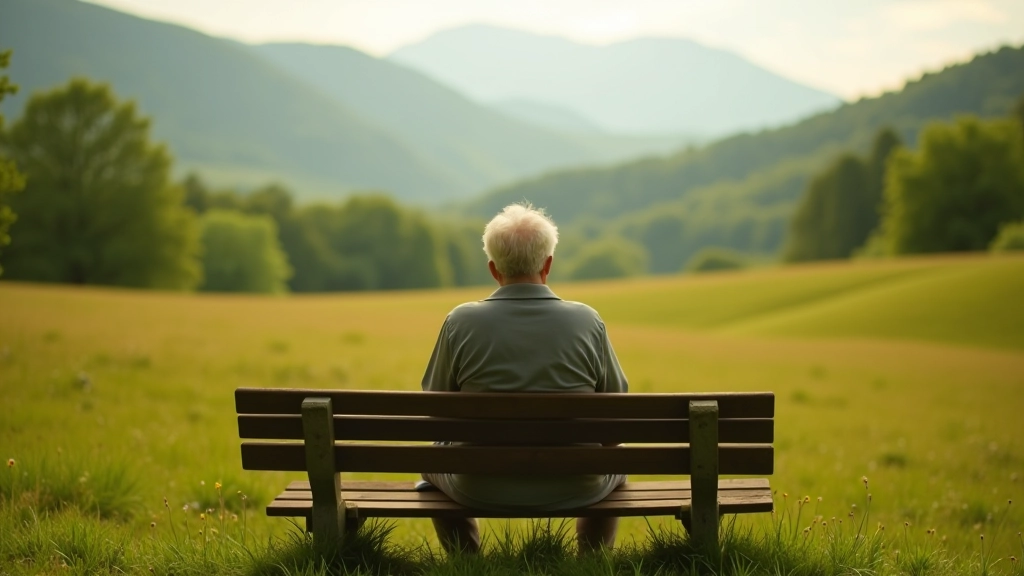
In Podyjí National Park, we've identified over 40 dedicated rest areas spread across the main walking routes. Some are simple benches tucked into scenic viewpoints. Others are fully sheltered structures with tables, perfect for unpacking a snack or letting your feet recover. Having these mapped out means you're never caught wondering where you'll sit next.
The beauty of knowing your rest spots ahead of time? You can plan your pace. You'll know roughly how far you'll walk before the next chance to sit. You're not anxious about finding shelter if weather changes. And you can actually focus on the walk itself — the wildflowers, the bird sounds, the way light filters through the trees.
Bench Types You'll Encounter
Not all benches are created equal, and knowing what you're getting helps you plan better. We've categorized the rest spots throughout Podyjí into distinct types.
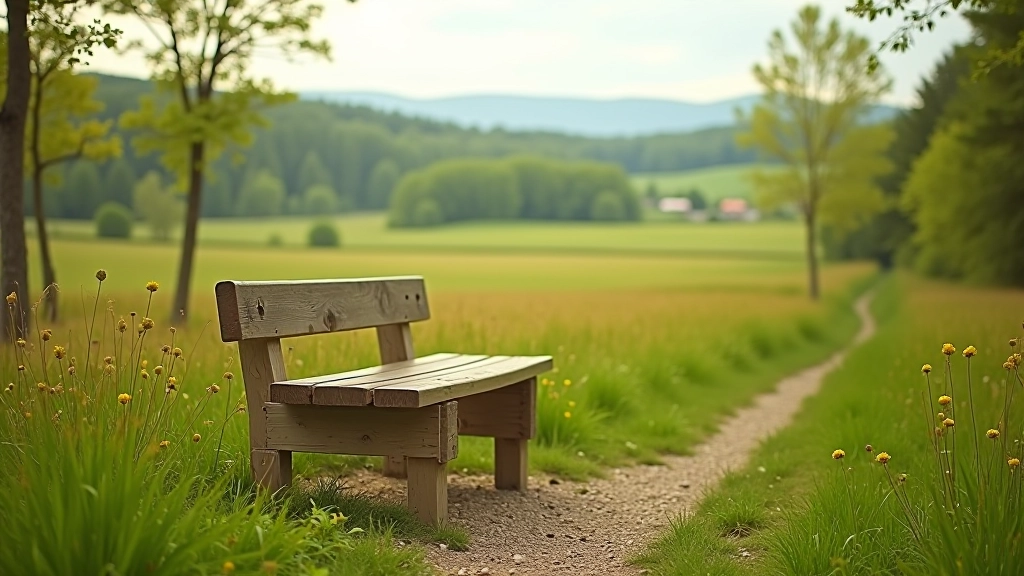
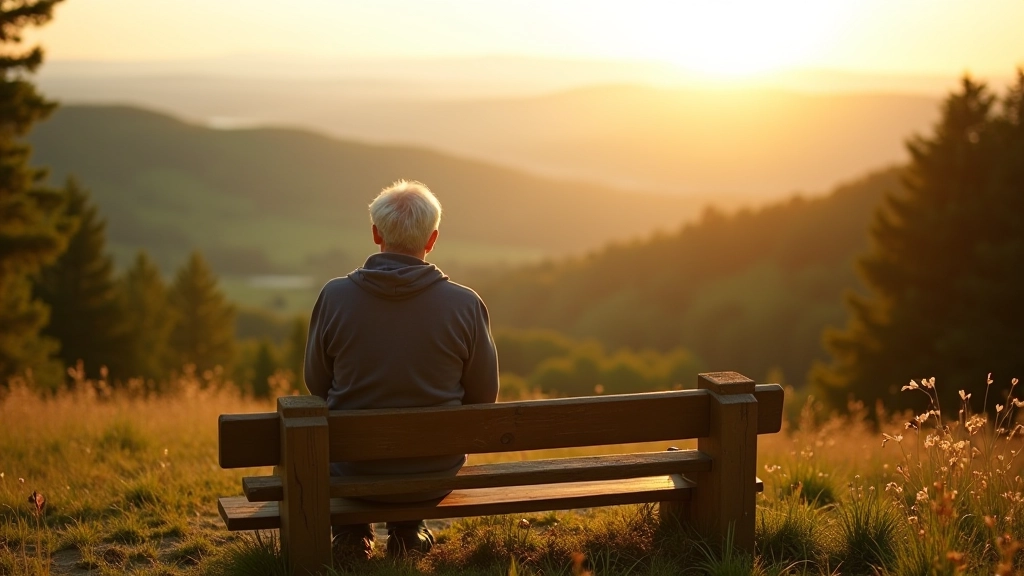
Simple Benches: These are the most common — a straightforward wooden or metal seat positioned at a viewpoint or along the trail. They're usually open to the elements but placed in locations worth sitting in. You'll find about 24 of these scattered across the main routes.
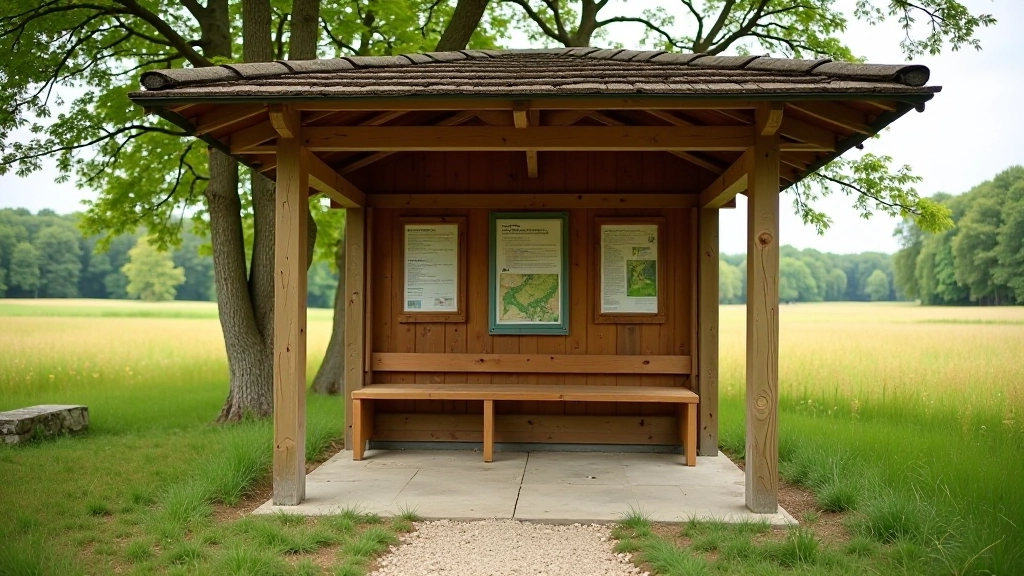
Sheltered Structures: About 12 rest areas feature roofs or three-sided shelters. These are lifesavers when weather shifts suddenly — and it does shift quickly in spring and autumn. They're typically near parking areas or at major trail junctions.
Picnic Tables: A handful of locations have actual tables with seating for 4-6 people. These are perfect if you're planning to sit for 20 minutes with a proper snack. They're positioned at scenic points and near water sources.
Each type serves a purpose. Simple benches are frequent, so you're never walking too long between rests. Sheltered spots give you options on unpredictable weather days. Tables are ideal for groups or longer pauses.
Strategic Rest Points on Popular Routes
The key to enjoying a trail is understanding the rhythm of it — where the easy sections are, where you'll want to pause, where the views reward you for climbing. We've mapped the most-walked routes with rest stops in strategic locations.
Meadow Loop (5.2 km)
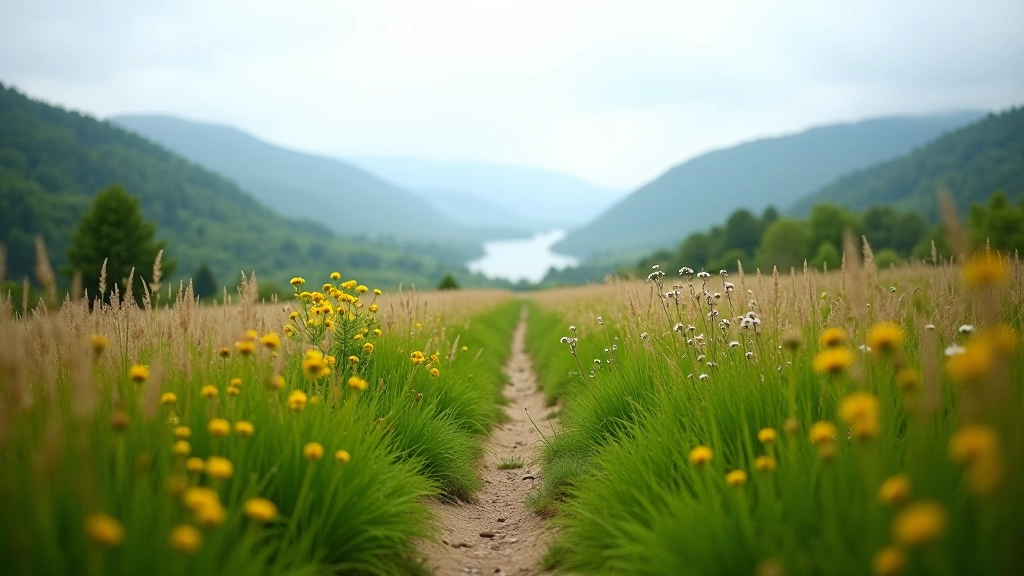
This gentle route has 8 rest areas positioned every 600-700 meters. You're never walking more than 15 minutes between chances to sit. The stops are placed at the most scenic meadow viewpoints — worth lingering at each one.
Ridge Trail (7.8 km)
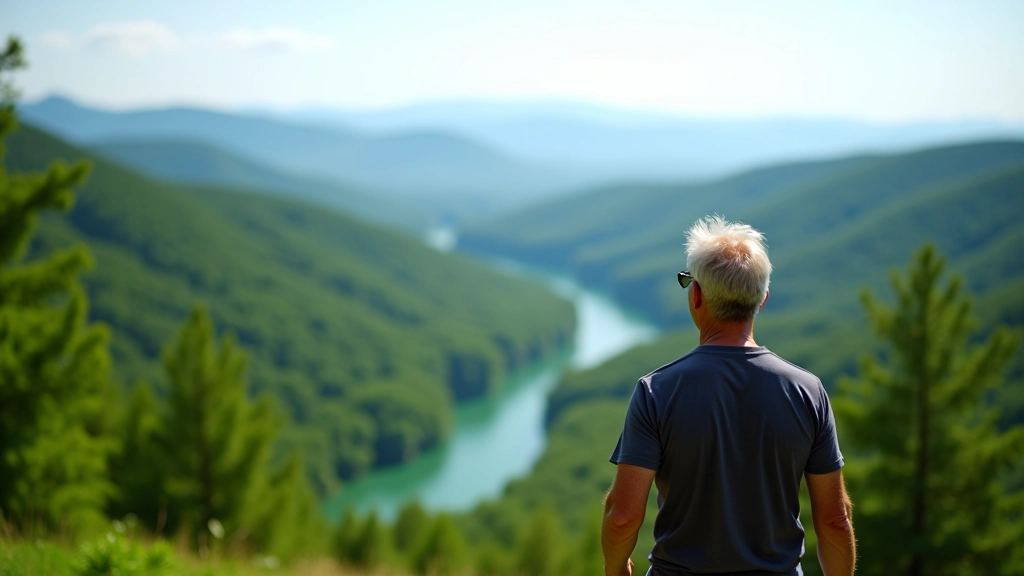
The higher elevation here means more dramatic views. There are 10 rest spots, clustered at the viewpoints. The benches face outward — you're sitting with the landscape in front of you, not just along the path.
Forest Circuit (4.1 km)
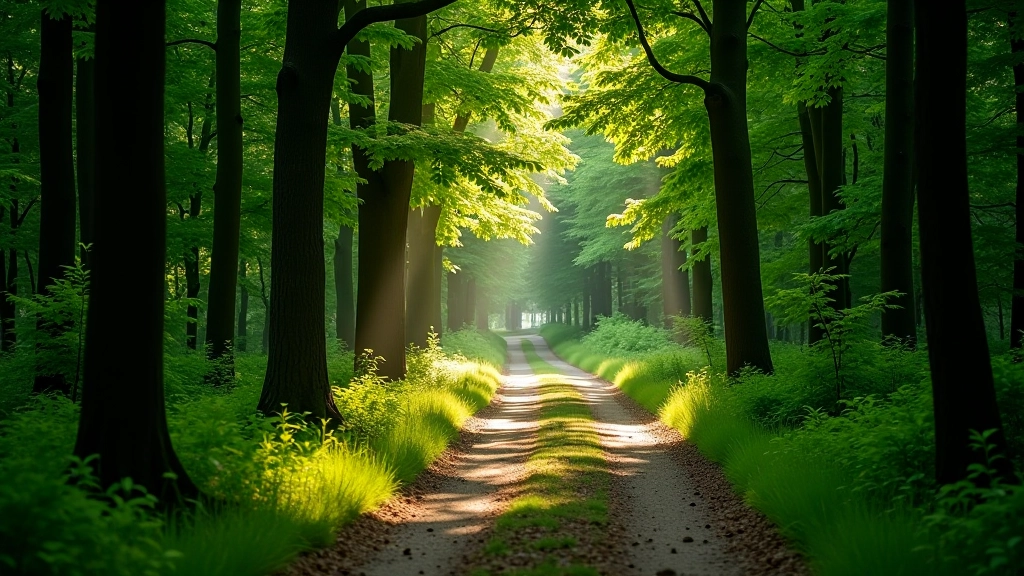
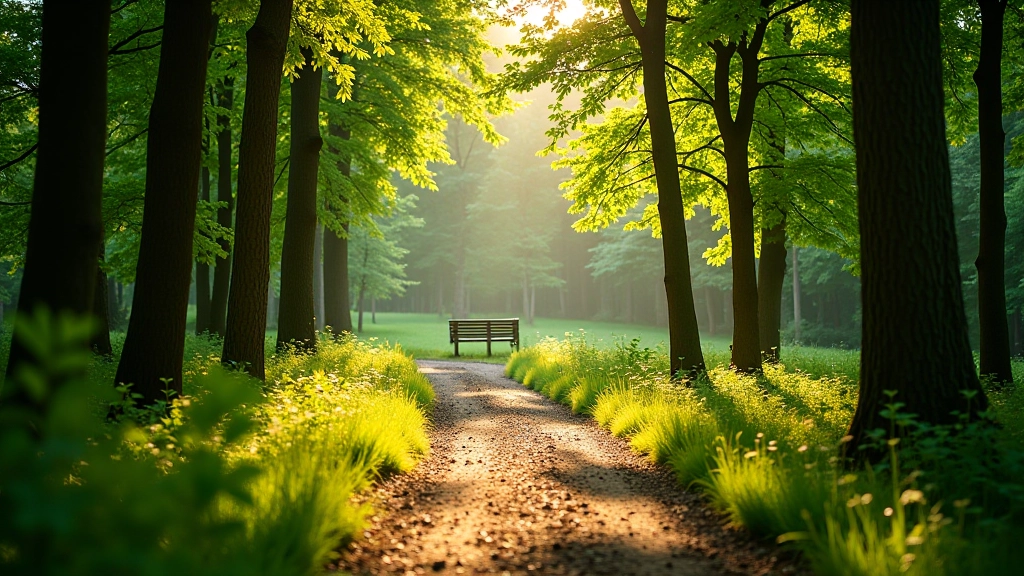
Shaded and cooler, this route has 6 rest areas positioned where the forest opens up to smaller clearings. It's the quickest route, but the rest spots let you slow down and enjoy the woodland atmosphere.
What we've noticed over 16 years of guiding people through these trails? The walkers who plan their rest stops ahead aren't rushing. They're not anxious about distance or timing. They walk slower, notice more, and report enjoying the experience significantly more than those who treat rest stops as an afterthought.
The positioning matters too. A bench placed at the start of a gentle downhill section lets your legs recover before the next push. A sheltered spot positioned before a more exposed section gives you a chance to assess weather. It's not random — it's thoughtful trail design.
Water Access and Facilities
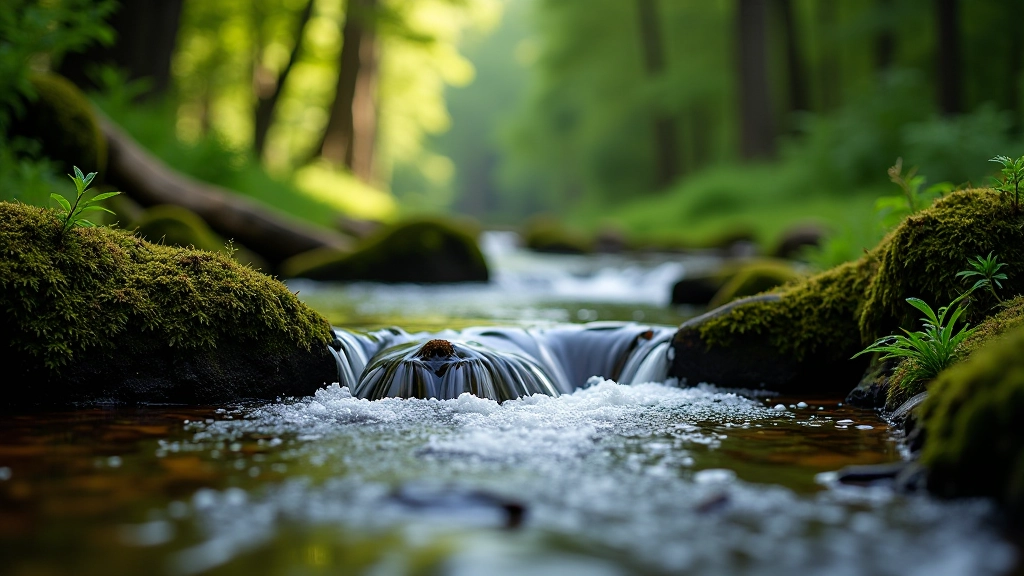
You'll want to know more than just where to sit — you'll want to know what's available at each rest area. Water access is crucial, especially on warmer days. There's a small stream near the Forest Circuit route where you can refill water bottles (bring a filter or purification tablets for safety).
Most rest areas don't have facilities — this is a national park, not a developed resort. But that's actually part of the appeal. What they do have is thoughtful placement. The Meadow Loop's rest spots are positioned where you get genuine views, not just a place to park yourself. The Ridge Trail benches face outward toward the landscape you've come to see.
For people planning a full day walk, this matters. You're not just finding somewhere to rest — you're finding somewhere worth sitting at. The best rest stops are the ones you don't want to leave.
Planning Your Pace
Here's the practical reality: knowing your rest spots changes how you walk. You're not managing energy the entire distance — you're managing it between rest points. That's psychologically and physically easier.
A person who knows there's a sheltered bench in 20 minutes walks differently than someone who's uncertain. They breathe easier. They notice the surroundings more. They arrive at that bench feeling like they've accomplished something small, then reset for the next section.
We recommend using this map before you walk — not as a rigid schedule, but as a guide. Some days you'll stop at every rest area. Other days you'll skip a few. The point is having the option. Walking should feel like something you choose to do, not something you're pushing through. The rest stops make that choice possible.
Quick Tips for Using Rest Areas:
- Check weather before starting — this determines which sheltered spots you might need
- Bring water — most rest areas don't have facilities
- Use rest stops strategically, not just when exhausted
- Let your legs recover for 5-10 minutes before continuing
- Take photos or simply sit quietly — rest means different things
Your Walking Experience Starts With Planning
A good walk doesn't happen by accident. It's built on small decisions — the route you choose, the time you start, where you know you can rest. We've spent years mapping these rest areas because we've seen how they transform a walk from something exhausting into something genuinely enjoyable.
Whether you're doing a quick 4-kilometer loop or committing to the full 7.8-kilometer ridge route, knowing where you can sit down changes everything. You walk slower. You notice more. You actually remember the experience instead of just remembering being tired.
Use this guide, bring it on your phone or print it out. Check the weather and decide which rest areas might be important that day. And most importantly, don't rush between them. The whole point is to enjoy the space you're moving through.
Informational Note
This guide provides educational information about rest areas and facilities in Podyjí National Park based on current conditions. Trail conditions, facility availability, and weather can change seasonally. We recommend checking with local park authorities before your visit for the most current information. Always prioritize your safety and bring appropriate supplies for the weather conditions you expect.