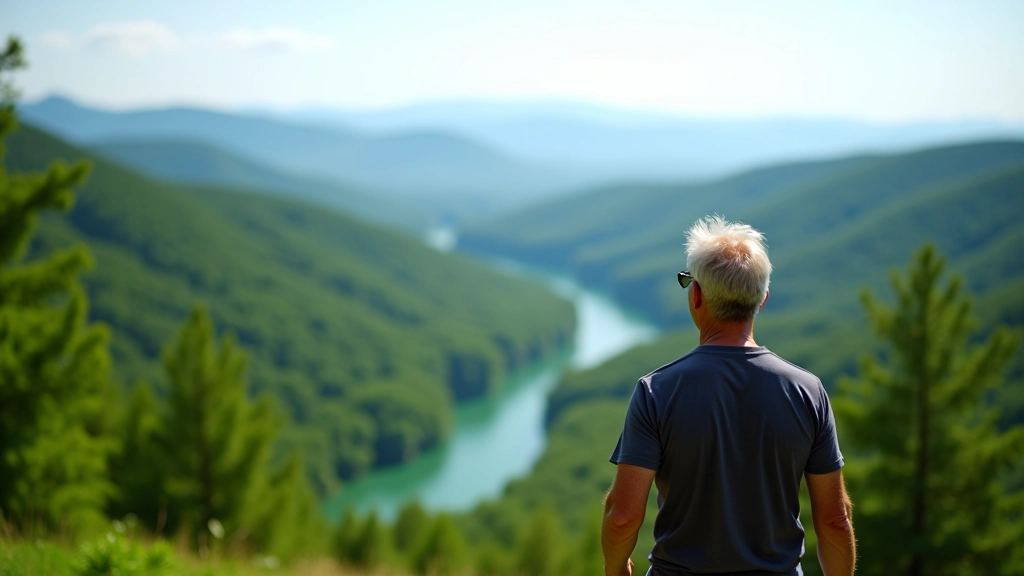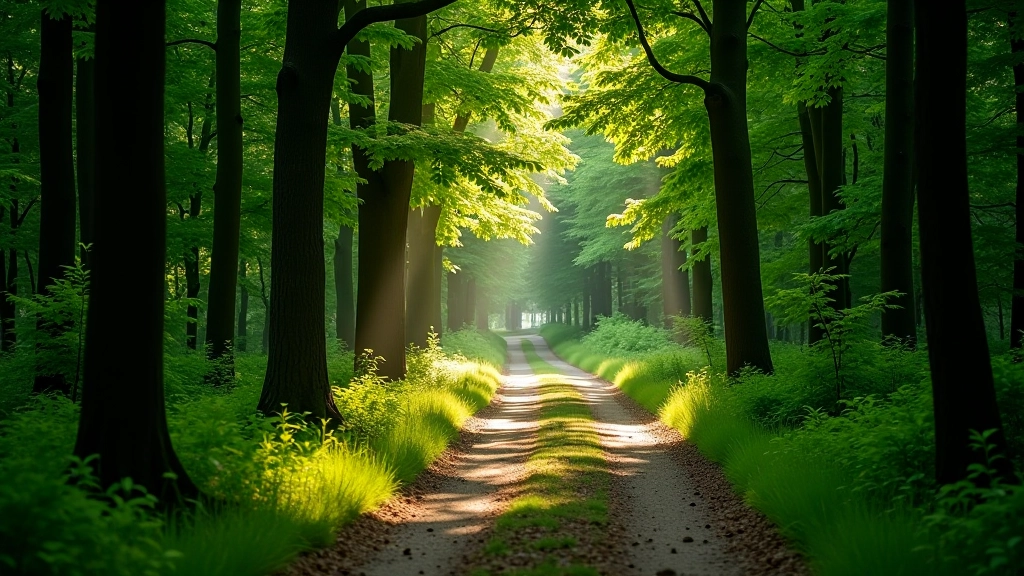
Meandering Meadow Trails for Relaxed Walking
Gentle walks through wildflower meadows with minimal elevation gain. Perfect for taking your time and enjoying the natural surroundings without strain.
Why Meadow Trails Matter
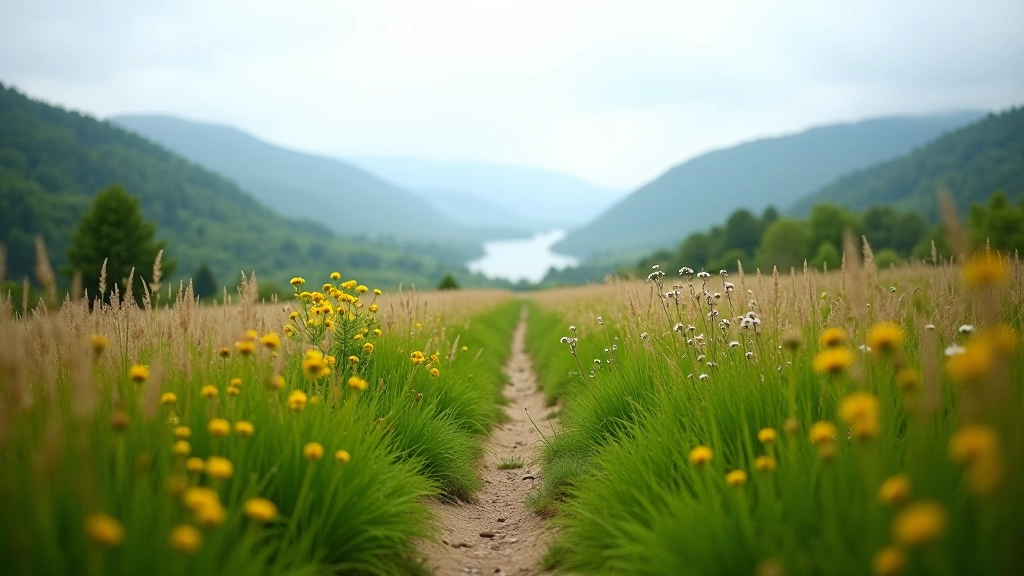
Not all walks are created equal. Meadow trails offer something special — they're gentle on your body while being incredibly rewarding for your spirit. You're not battling steep inclines or rocky terrain. Instead, you're moving through open grasslands where the pace is yours to set.
What we love about meadow walking is the simplicity. There's minimal elevation gain, solid footing, and wide-open views. You can walk at your own speed, stop whenever you'd like, and actually have conversations without getting breathless. That's the whole point, really.
Wildflower Seasons
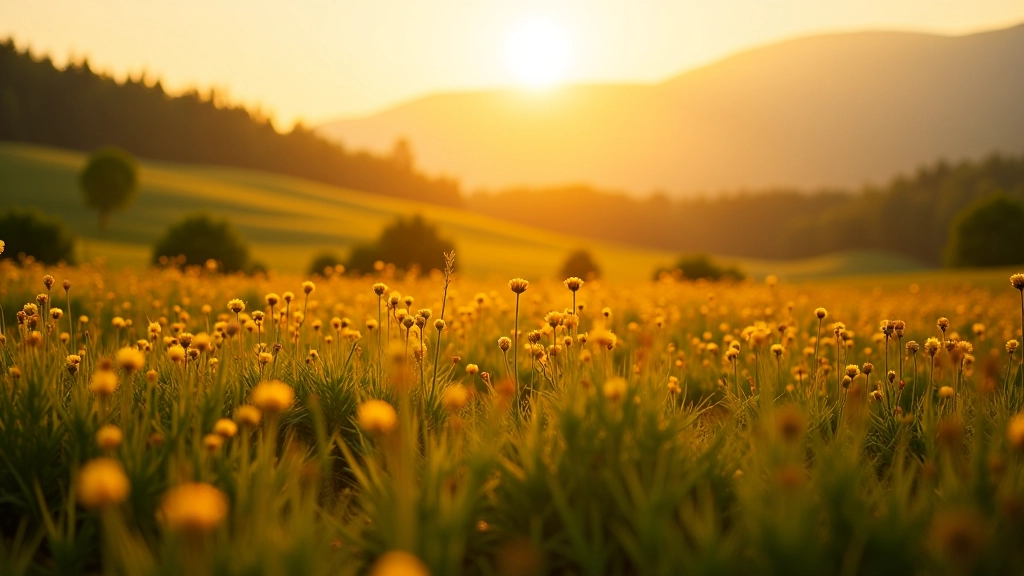
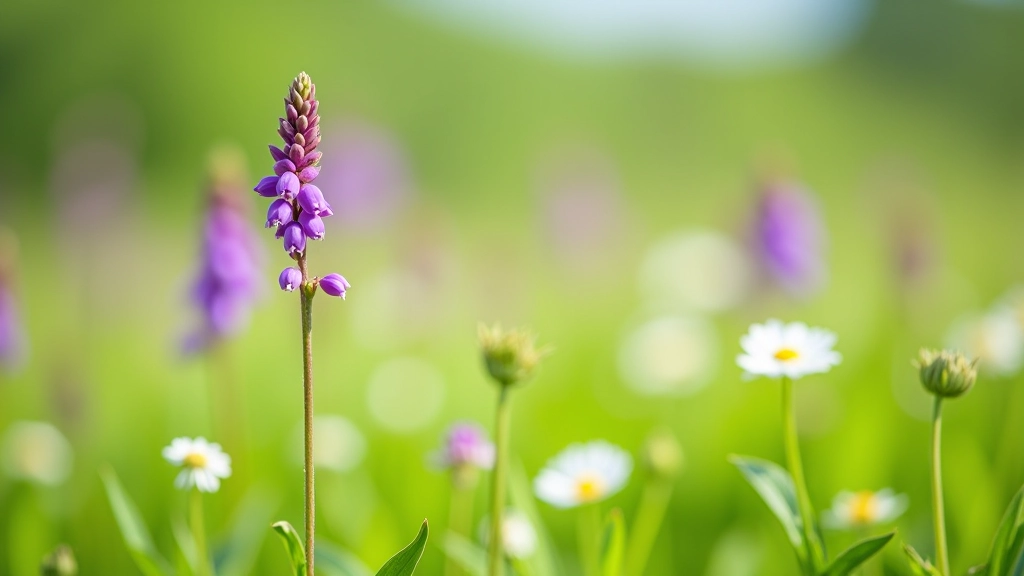
Spring and summer meadows burst with color. You'll see orchids, buttercups, and wild poppies dotting the landscape throughout the season.
Gentle Terrain
Flat or nearly flat paths mean less strain on joints and knees. The trails are well-maintained and easy to navigate.
Wildlife Watching
Open meadows are perfect for spotting birds, butterflies, and small mammals. Bring binoculars for better viewing.

Finding the Right Meadow Trail
The best meadow trails aren't always the most famous ones. In fact, some of the quietest and most peaceful walks are hidden just off the main paths. Look for trails that stay below 50 meters elevation gain over the entire route — that's your sweet spot.
You'll want paths that are at least 2 meters wide, with good drainage. This matters more than you'd think. Muddy sections can turn a pleasant walk into a frustrating one. We recommend trails that take 45 minutes to 90 minutes total — long enough to feel like a real outing, but not so long that you're exhausted afterward.
Consider the time of year. Spring meadows (April–May) burst with early wildflowers. Summer (June–August) offers full bloom and longer daylight. Autumn (September–October) brings golden grasses and fewer insects. Each season's got its own charm.
What to Bring on Your Walk
Don't overthink this. You're not summiting a mountain — you're enjoying an afternoon in a meadow. That said, a few essentials make the experience better. A water bottle (at least 500ml), a light snack, and sun protection are non-negotiable. Sunscreen matters even when it's cloudy.
Wear comfortable shoes with good grip. Meadow grass can be slippery when wet, so proper footwear keeps you safe and confident. Layers are your friend — meadows can feel cool in early morning but warm up by midday. A lightweight jacket you can tie around your waist works perfectly.
Consider binoculars if you're interested in bird watching. A small notebook for sketching plants you see. Maybe a camera or phone for photos. But honestly? The best thing you can bring is an open mind and a willingness to move slowly.
Pacing Yourself for Enjoyment
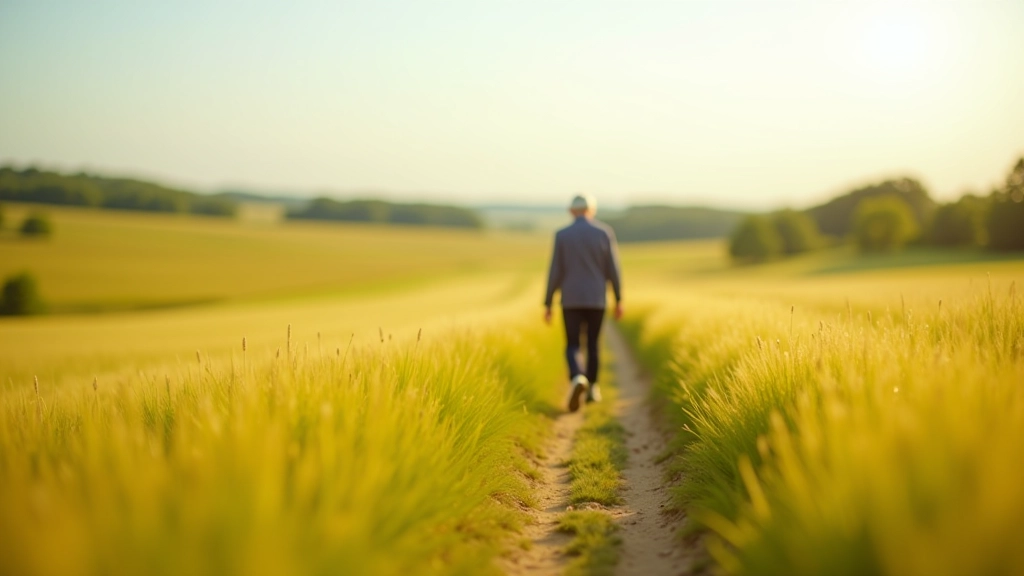
Here's the secret that most people miss: meadow trails aren't about covering distance. They're about being present. We recommend walking at about 2 kilometers per hour — that's roughly one-third slower than typical walking pace. This gives you time to notice details you'd otherwise miss.
Stop whenever something catches your eye. See a butterfly you've never noticed before? Stop and watch it. Hear birds calling from the treeline? Pause and listen. These moments are what make meadow walking special. You'll find yourself naturally stopping every 10–15 minutes just to look around.
Don't worry about your heart rate or step count. This isn't a fitness exercise — it's a leisure activity. Walk at the pace where you can hold a conversation comfortably. If you're getting breathless, you're going too fast.
Making the Most of Rest Stops
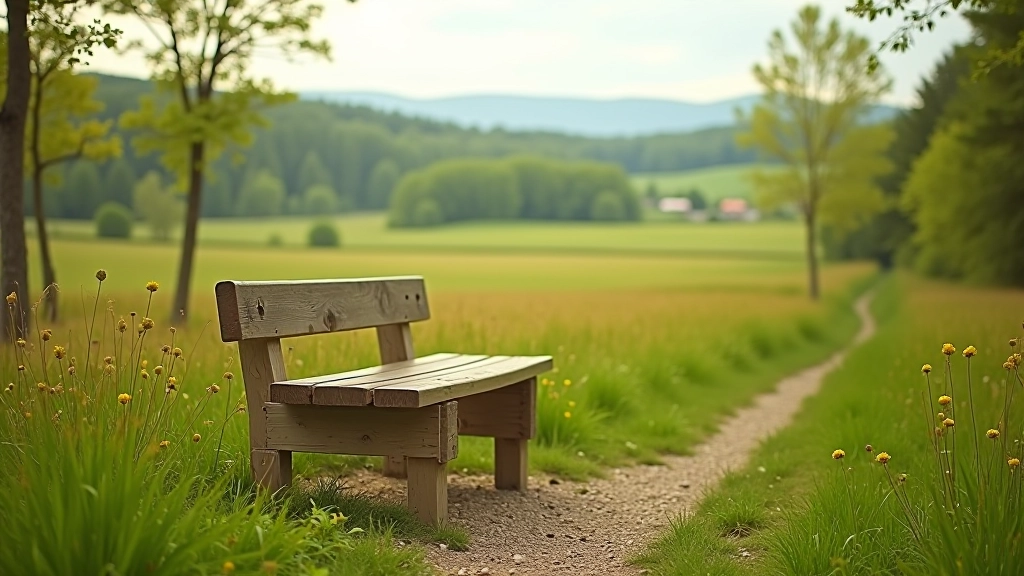
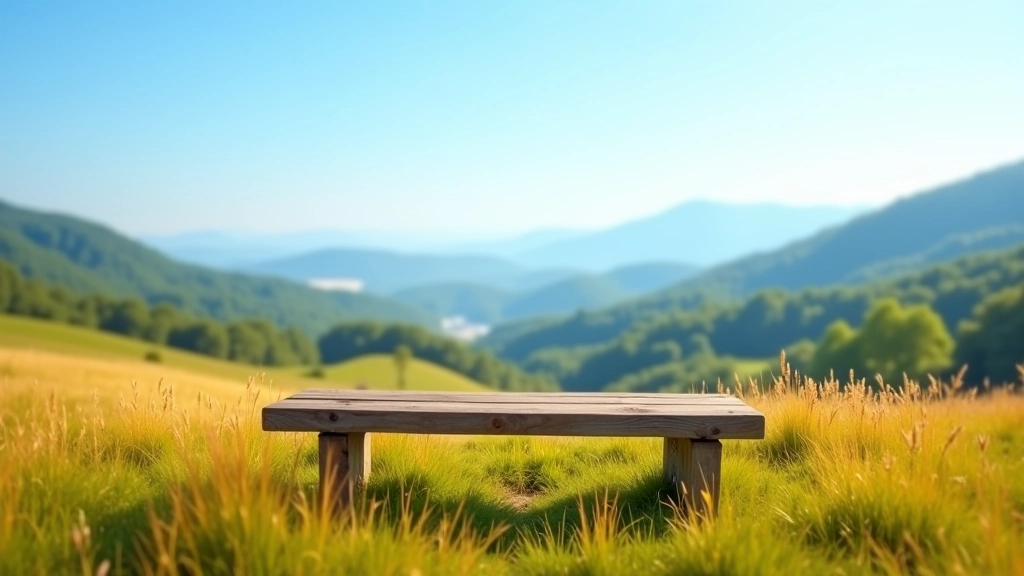
One of the best parts about meadow trails is that you can sit down almost anywhere. The grass is soft, and the views are usually stunning. But if there's a bench nearby, that's even better. Many trails in the region have benches positioned at natural viewpoints — these are gifts.
Plan to sit for at least 10–15 minutes during your walk. This isn't "wasted time" — it's the whole experience. Sit and watch the meadow. Listen to the wind through the grass. Notice how the light changes. Maybe journal, sketch, or just breathe. You'll be surprised how restorative these moments are.
Bring a small thermos of tea or coffee if you want. Some people bring a sandwich and make it a proper picnic. Others just sit quietly. Whatever feels right to you is the correct way to do it.
The Meadow Awaits
Meadow walking isn't complicated. It's one of the most accessible ways to spend time in nature, and that's exactly why it's so valuable. You don't need special training, expensive gear, or athletic ability. You just need comfortable shoes, a willingness to move slowly, and an appreciation for open spaces.
Start with shorter walks — 30 to 45 minutes — to build your confidence and fitness. Bring a friend if you'd like, or go solo if you prefer quiet time. Either way, you're doing something wonderful for your body and mind. The meadows of Podyjí National Park and surrounding areas offer some of the most peaceful walking experiences in Central Europe.
The season's here. The wildflowers are blooming. The paths are clear and welcoming. What're you waiting for?
Important Disclaimer
This article is for educational and informational purposes only. The trails and conditions described here are based on typical seasonal conditions, but circumstances vary. Always check current trail conditions, weather forecasts, and local advisories before heading out. If you have specific health concerns or physical limitations, consult with your doctor before undertaking any walking activity. The author and website are not responsible for injuries or incidents that may occur during your visits. Stay safe, respect local wildlife and vegetation, and follow Leave No Trace principles.
Explore More Nature Walks